If you have been dieting and exercising but still struggling to lose weight, the problem might not be your willpower. It could be your gut. The trillions of bacteria living in your digestive tract, collectively called the microbiome, play a crucial role in how your body processes food, stores fat, and regulates appetite.
The Gut-Weight Connection
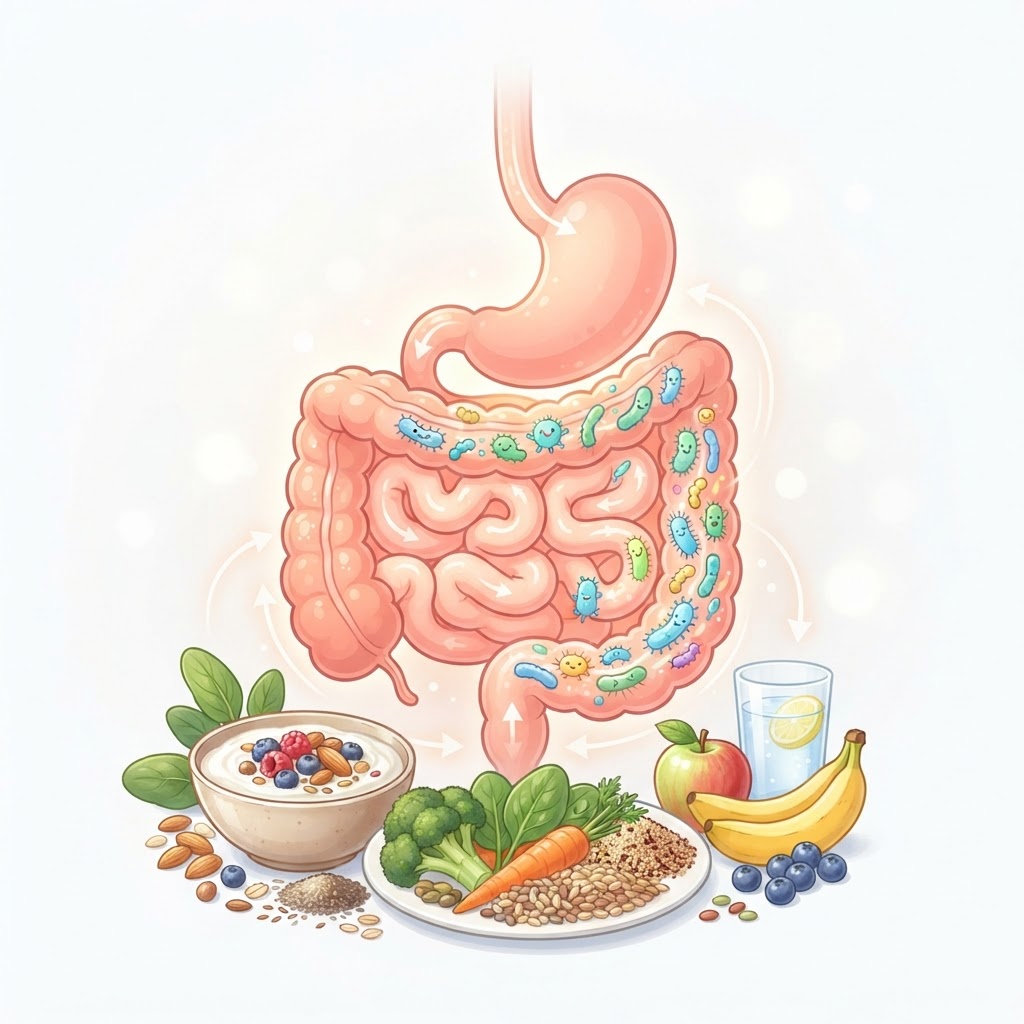
Research over the past decade has revealed a clear link between gut bacteria and body weight. Studies show that people who are overweight tend to have a different balance of gut bacteria compared to lean individuals. Specifically, overweight individuals often have fewer types of beneficial bacteria and more bacteria associated with inflammation and fat storage.
This matters because gut bacteria influence how many calories you extract from food, how your body stores fat, and even which foods you crave. An unhealthy gut microbiome can make weight loss harder, no matter how strictly you diet.
How Gut Bacteria Affect Metabolism
Your gut bacteria do more than digest food. They produce short-chain fatty acids (SCFAs) like butyrate, which influence fat metabolism, reduce inflammation, and support gut lining health. They also affect hormones like GLP-1 and PYY, which signal fullness to your brain.
When your microbiome is imbalanced, your body may produce fewer of these satiety signals, leaving you hungry even after eating. This is one reason why gut health is so closely linked to appetite control.
3 Steps to Improve Gut Health for Weight Loss
1. Eat More Fiber
Fiber is the primary food source for beneficial gut bacteria. Aim for 25 to 35 grams daily from vegetables, fruits, legumes, and whole grains. When bacteria ferment fiber, they produce SCFAs that support metabolism and gut health.
2. Include Fermented Foods
Foods like yogurt, kefir, sauerkraut, and kimchi contain live beneficial bacteria. Regularly eating fermented foods helps diversify your gut microbiome and supports a healthy balance of bacteria.
3. Consider Probiotic Supplementation
While food should be your primary source, probiotic supplements can help restore balance, especially after antibiotic use or periods of poor diet. Look for supplements with multiple strains and at least 10 billion CFUs.
The Bottom Line
Gut health is not just about digestion. It is the foundation of metabolism, appetite regulation, and healthy weight management. By nourishing your gut bacteria with fiber, fermented foods, and targeted probiotics, you may find that weight loss becomes easier and more sustainable.
Explore our reviews of digestive support and weight loss supplements to find products that support both gut health and healthy weight management.
Disclaimer: This article is for informational purposes only. Consult your healthcare provider before making significant dietary changes or starting supplements.