Blood sugar management is one of the most critical aspects of long-term health. When your glucose levels stay within a healthy range, you experience steady energy, fewer cravings, and a lower risk of chronic conditions. But for millions of people, maintaining that balance is a daily challenge. This is where blood sugar support supplements come in. In this article, we explore how these supplements work, what the science says about key ingredients, and how to choose a product that fits your needs.
Why Blood Sugar Balance Matters
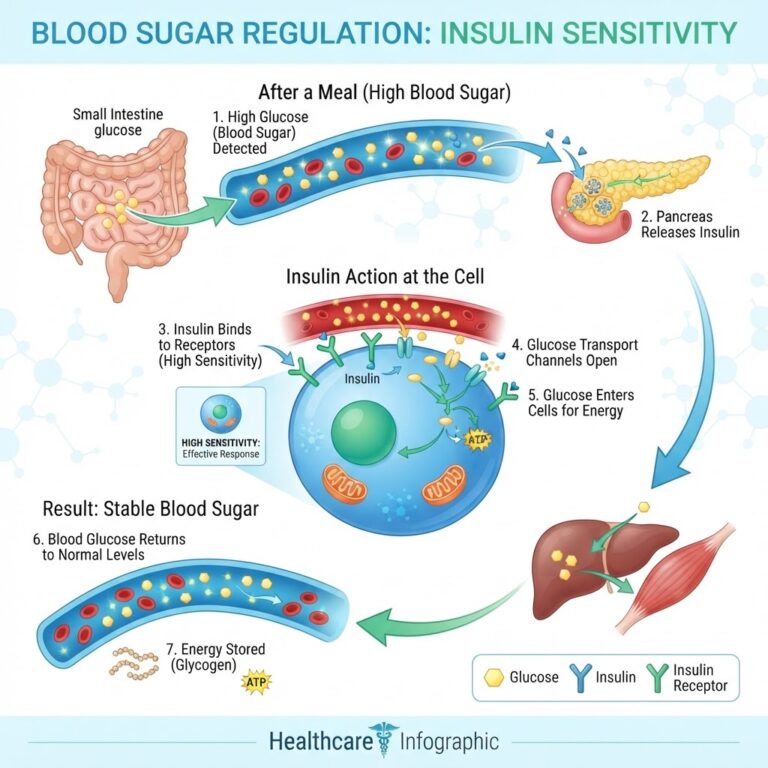
Your body relies on glucose as its primary energy source. After you eat, carbohydrates break down into glucose, which enters your bloodstream. Insulin, a hormone produced by your pancreas, helps move that glucose from your blood into your cells. When this system works smoothly, your blood sugar stays in a healthy range. When it does not, you may experience fatigue, sugar cravings, weight gain, and over time, more serious health complications.
Several factors can disrupt blood sugar balance, including poor diet, lack of exercise, chronic stress, genetics, and aging. While lifestyle changes form the foundation of blood sugar management, certain natural ingredients have been shown to support healthy glucose metabolism and insulin sensitivity.
How Blood Sugar Supplements Work
Blood sugar support supplements typically target one or more of the following mechanisms:
1. Improving Insulin Sensitivity
Insulin resistance occurs when your cells become less responsive to insulin, forcing your pancreas to produce more. Ingredients like chromium picolinate, berberine, and magnesium have been studied for their potential to improve how cells respond to insulin. When insulin sensitivity improves, your body can manage glucose more efficiently.
2. Slowing Carbohydrate Absorption
Some ingredients, such as cinnamon extract and bitter melon, may help slow the breakdown and absorption of carbohydrates in the digestive tract. This can lead to a more gradual rise in blood sugar after meals rather than sharp spikes.
3. Supporting Pancreatic Function
Your pancreas produces insulin, and maintaining its health is essential for blood sugar regulation. Certain vitamins and minerals, including vitamin D and zinc, play roles in pancreatic health and insulin production.
4. Reducing Oxidative Stress
Oxidative stress can damage cells throughout the body, including those involved in glucose metabolism. Antioxidant-rich ingredients like alpha-lipoic acid and gymnema sylvestre may help protect against this damage.
Key Ingredients to Look For
When evaluating a blood sugar supplement, look for products that contain evidence-based ingredients at effective dosages. Some of the most researched include:
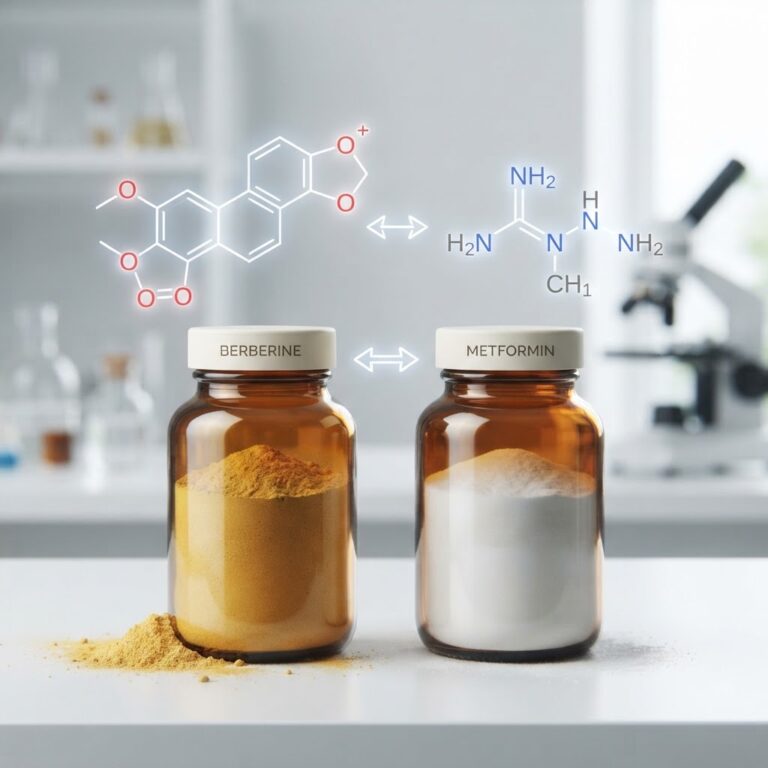
- Berberine: A plant compound that has been compared to metformin in some studies for its effects on blood sugar. You can learn more in our berberine vs metformin comparison.
- Chromium picolinate: An essential trace mineral that supports insulin function.
- Cinnamon extract: May help improve insulin sensitivity and slow carbohydrate absorption.
- Bitter melon: A traditional remedy that may help lower blood glucose levels.
- Gymnema sylvestre: An herb used in Ayurvedic medicine that may reduce sugar cravings and support glucose metabolism.
- Alpha-lipoic acid: An antioxidant that may help reduce oxidative stress and improve insulin sensitivity.
Choosing the Right Supplement
Not all blood sugar supplements are created equal. Look for products that use clinically studied ingredients at effective dosages, are third-party tested for purity, and come from reputable manufacturers. Some of the products we have reviewed on this site include GlucoTrust, GLPro, and Berbaprime. You can browse all of our blood sugar support product reviews in the Blood Sugar Support category.
The Bottom Line
Blood sugar supplements are not a replacement for a healthy diet, regular exercise, and medical care. However, when used as part of a comprehensive approach, certain natural ingredients may help support healthy glucose metabolism and insulin function. Always talk to your doctor before starting any new supplement, especially if you are taking medications for blood sugar management.
Disclaimer: This article is for informational purposes only and is not medical advice. Consult with a healthcare professional before starting any supplement regimen.