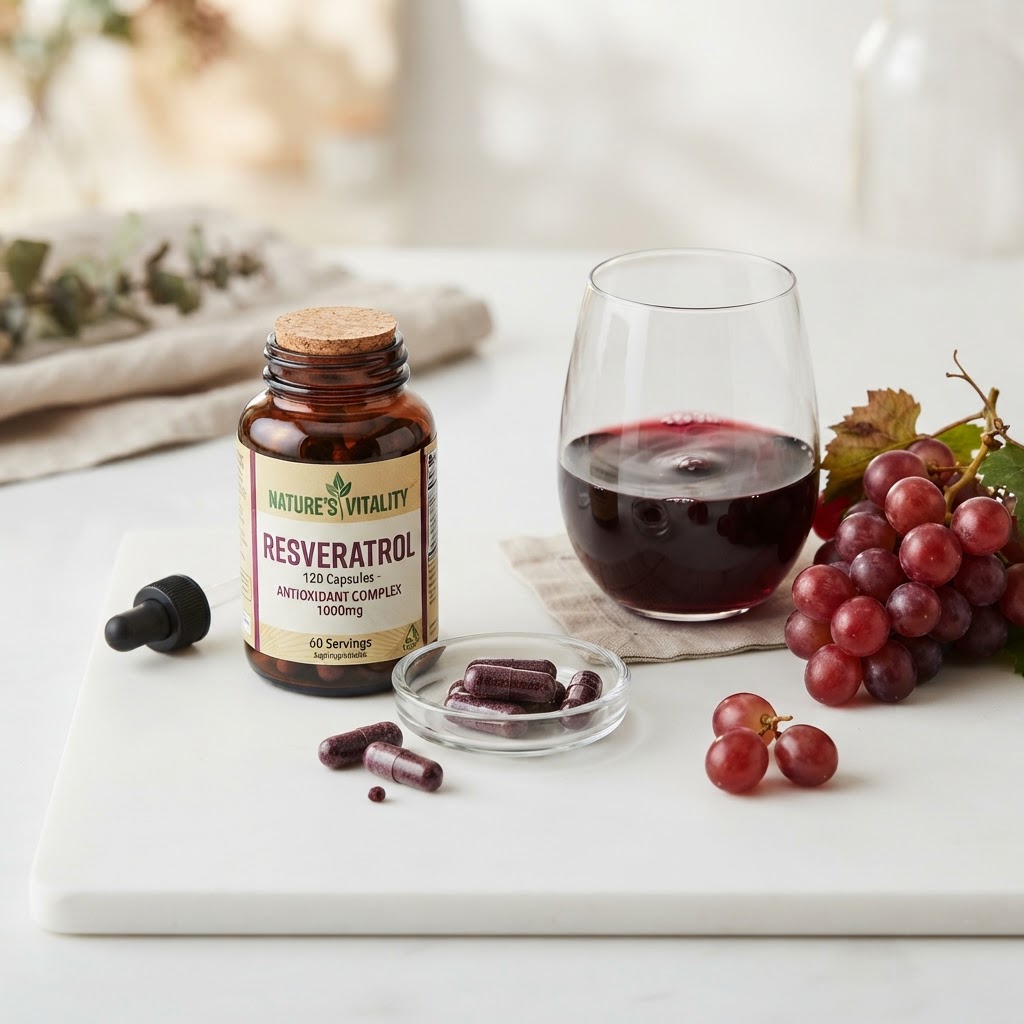
Resveratrol is a natural compound found in grapes, berries, and peanuts. It is best known as the beneficial ingredient in red wine, but it has also attracted attention for its potential role in weight management. While resveratrol is not a weight loss miracle, research suggests it may support metabolic health in ways that could indirectly help with weight management. Here is what the science says.
What Is Resveratrol?
Resveratrol is a polyphenol, a type of plant compound with antioxidant properties. It is produced by plants as a defense mechanism against stress and infection. In the human body, resveratrol has been studied for its effects on inflammation, oxidative stress, and metabolic function. Some researchers believe it may activate sirtuins, a family of proteins involved in cellular energy regulation and aging.
How Resveratrol May Support Weight Management
1. Activating SIRT1
SIRT1 is a sirtuin protein that plays a role in metabolism and fat storage. Some studies suggest that resveratrol activates SIRT1, which may promote fat burning and reduce fat storage. This effect is similar to what happens during calorie restriction, which is known to extend lifespan in some animal studies.
2. Reducing Inflammation
Chronic inflammation is linked to obesity and metabolic syndrome. Resveratrol has anti-inflammatory properties that may help reduce the low-grade inflammation associated with excess weight. By reducing inflammation, it may support healthier metabolic function.
3. Improving Insulin Sensitivity
Some studies have shown that resveratrol may improve insulin sensitivity, particularly in people with type 2 diabetes. Better insulin sensitivity means your body manages blood sugar more effectively, which can reduce cravings and support weight management. Learn more about blood sugar and weight in our article on how blood sugar supplements work.
4. Supporting Mitochondrial Function
Mitochondria are the energy-producing structures in your cells. Resveratrol may help improve mitochondrial function, which could increase the rate at which your body burns calories. This is an area of ongoing research, but early results are promising.
What the Studies Show
Animal studies have shown impressive results, with resveratrol supplementation leading to reduced body weight and improved metabolic markers. However, human studies have been more mixed. Some show modest benefits, while others find no significant effect. The difference may come down to dosage, bioavailability, and the duration of supplementation. Resveratrol is not well absorbed by the body, so higher doses or enhanced formulations may be needed to see meaningful results.
Should You Try Resveratrol for Weight Loss?
Resveratrol is not a standalone weight loss solution. No supplement can replace a healthy diet and regular exercise. However, if you are already following a healthy lifestyle, resveratrol may provide additional metabolic support. It is also beneficial for cardiovascular health, which makes it worth considering regardless of its weight effects.
We have reviewed Master Resveratrol, which you can find in our Cardiovascular Support category. For weight loss products, browse our Diet Products category, which includes options like AquaSculpt and Puravive.
Disclaimer: This article is for informational purposes only and is not medical advice. Consult with a healthcare professional before starting any supplement.