Berberine and milk thistle are two of the most researched natural compounds for metabolic and liver health. Individually, each has a strong body of evidence supporting its benefits. Combined, they may offer complementary effects that address both blood sugar regulation and liver function. In this article, we examine what the science says about this powerful combination.
What Is Berberine?
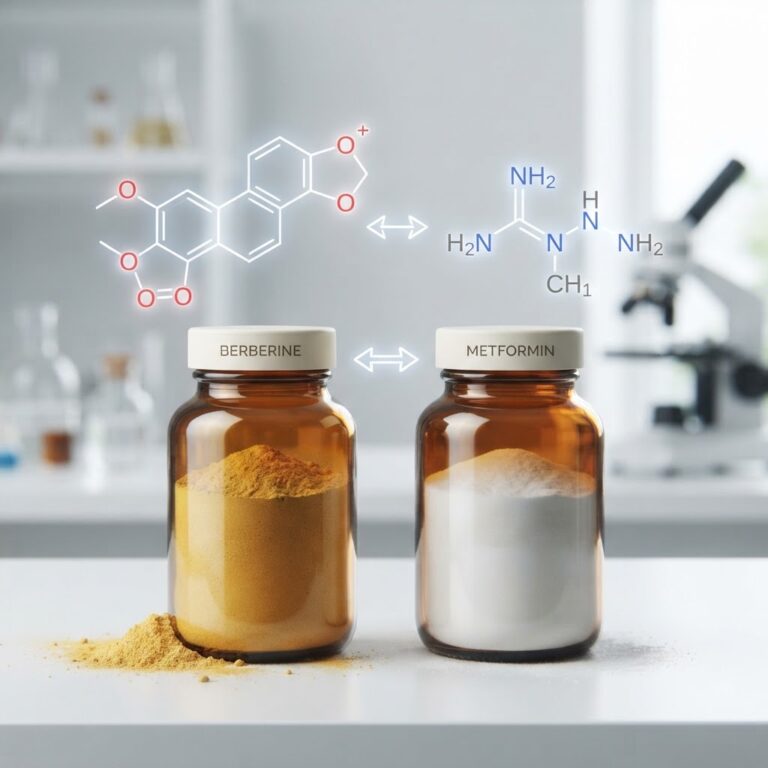
Berberine is a plant alkaloid found in several herbs, including goldenseal, barberry, and Oregon grape. It has been used in traditional Chinese and Ayurvedic medicine for centuries. Modern research has focused on its effects on blood sugar, cholesterol, and metabolic health. Some studies have compared berberine to metformin, a common diabetes medication, for its ability to improve insulin sensitivity and lower blood glucose. You can read our detailed comparison in berberine vs metformin: what the research says.
What Is Milk Thistle?
Milk thistle (Silybum marianum) is a flowering plant whose active compound, silymarin, has been studied for its liver-protective properties. The liver plays a central role in glucose metabolism, storing and releasing glucose as needed. When liver function is compromised, blood sugar regulation can suffer. Milk thistle may help protect liver cells from damage and support their regeneration.
Why Combine Them?
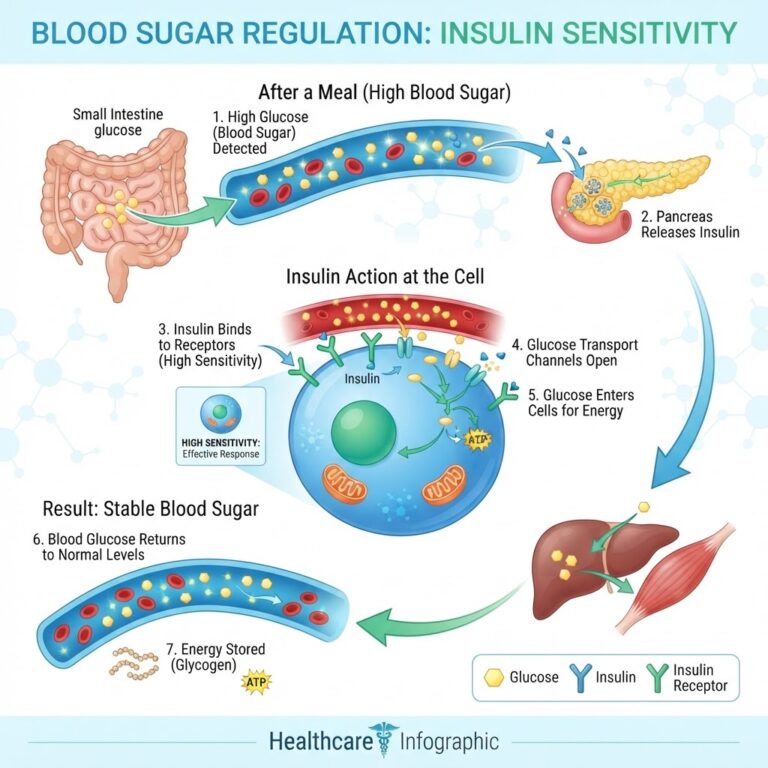
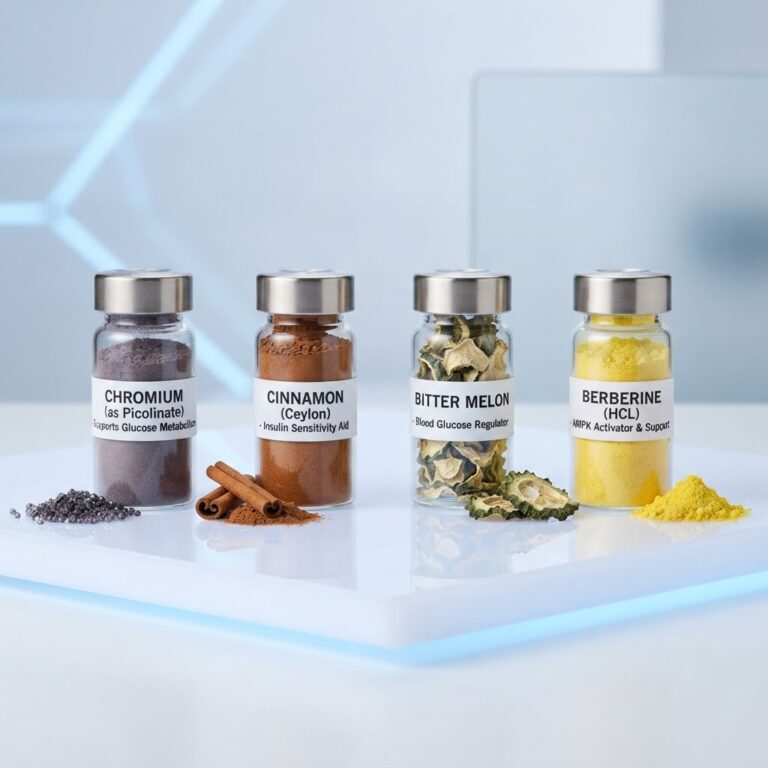
The combination of berberine and milk thistle addresses blood sugar from two angles. Berberine works primarily by activating an enzyme called AMPK, which acts as a cellular energy sensor and helps regulate glucose uptake. Milk thistle supports liver health, which is essential for proper glucose storage and release. Together, they may provide more comprehensive metabolic support than either ingredient alone.
Additionally, berberine is metabolized in the liver, and milk thistle may help protect the liver during this process. Some researchers believe this combination could enhance the bioavailability and effectiveness of berberine, though more studies are needed to confirm this.
What the Research Says
Several studies have examined berberine and milk thistle individually:
- A meta-analysis of berberine studies found significant reductions in fasting blood glucose and HbA1c levels.
- Milk thistle studies have shown improvements in liver enzymes and insulin resistance in people with type 2 diabetes and fatty liver disease.
- Some research suggests that combining berberine with silymarin may produce synergistic effects on metabolic markers.
Dosage and Safety
Berberine is typically taken at 500 mg, two to three times per day, before meals. Milk thistle extracts are usually dosed at 200 to 400 mg per day. Both are generally well-tolerated, but berberine can interact with certain medications, including antibiotics and blood pressure drugs. Always consult your doctor before starting these supplements.
Products to Consider
If you are interested in berberine supplements, we have reviewed Berbaprime and Berberine Plus, both available in our Blood Sugar Support category. For liver support products, browse our Liver Support subcategory.
Disclaimer: This article is for informational purposes only and is not medical advice. Consult with a healthcare professional before starting any supplement.